

“I guess there’s just two kinds of people, Miss Sandstone: my kind of people, and assholes. It’s rather obvious which category you fit into. Have a nice day.” – Connie Marble, Pink Flamingos
Apropos of nothing, but I kept thinking of this line, uttered by the iconic Mink Stole, with her fire-engine-red hair and retro-‘50s eyeglasses and obsession with filth, for the whole last act of Weapons.

Not really because the line ties into anything, literally or implicitly, about the movie proper, but because there’s a character that reminded me so much of Stole’s defiantly taste-detesting Connie Marble in Pink Flamingos that it almost became a parodic punchline unto itself.
I will say: it’s great to see Amy Madigan get a nice, meaty role in 2025.
It’s important to note: writer-director Zach Cregger, who made big horror waves several years ago with Barbarian (still not officially released on disc), is in on the joke. What distinguishes him from the backed-up commode of young-and-dumb-and-full-of-dumber horror tryhards who expect irony and callbacks to float their derivative excretions, when that alone is not enough to ensure longevity or memorability, is his resistance of outright cynicism.
Weapons certainly has a sense of humor, one that is as distinct as the absurdist moments in Barbarian, because Cregger refuses to engage in the type of outright “humanity sucks, huh?” nihilism that’s proven so fashionable in our troubled times.
Gore is a feature, certainly…but it doesn’t overwhelm the feature proper, if ya get me.
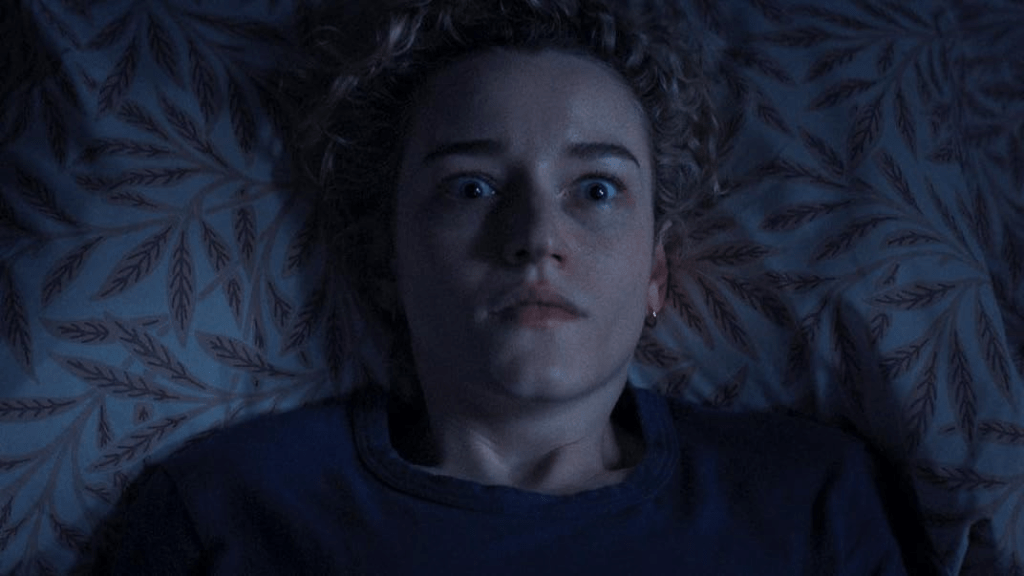
A month later…
…and the film clings to my brain like a synapse-sucking little neuron, but while the ultimate motivating factor for the Big Bad of Weapons has fallen out of my memory – therefore ensuring I’ll be surprised by it all over again during my inevitable rewatch (yay!) – what has stuck with me is something that feeds into the contextualization of its horror.
Put simply: Cregger is interested in his characters. Beyond their placement in the narrative (though their placement in the narrative is certainly important, if ya get me). Beyond the need to check off PC boxes to appease contemporary audiences.
After the ominous event that kickstarts the film – a mass exodus of elementary-school children disappearing to Places Unknown one fateful night – Weapons stretches its rubber-band premise almost to the snapping point, choosing the correct time to pull back the curtain and make its ultimate reveal.
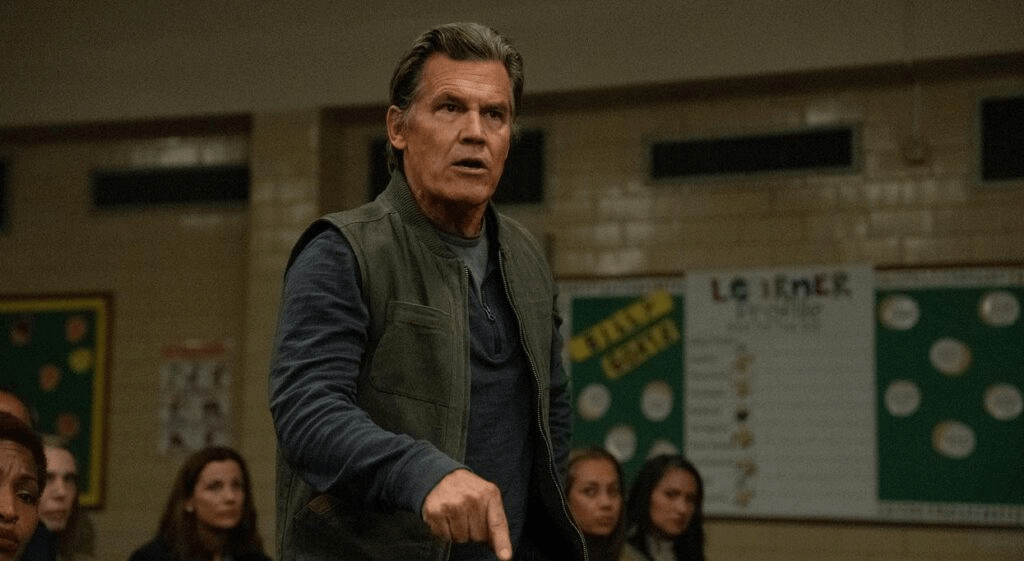
But until that happens, I just liked getting to know these characters. Even the unpleasant, disagreeable ones. The unmarried and overprotective schoolteacher (Julia Garner) whose students disappear, and absorbs the blame of the mob; the contractor (Josh Brolin) whose son is among the missing; the school principal (Benedict Wong, who’s been a character-actor MVP for the past decade) trying to toe the limits of personal concern with letting the police do their job. To that end, there is a police officer (Alden Ehrenreich) attempting to reform his addictive behaviors and turn over a new leaf but finds himself backsliding when he runs afoul of a local junkie (Austin Abrams) who, in typical horror-movie fashion, may have the information all the other characters wish to know. Then there’s the lone child (Cary Christopher) who has not been claimed by the inexplicable incident.
The fractured timeline, which assumes the POV of several key characters, is less a narrative gimmick than a way to absorb the nuances of their personalities and possibly change the viewer’s preconceived notions as events and interactions begin to coalesce into a revealing whole.
Traumatic incidents change us – presenting opportunities to respond with grief, violence, or introspection (or all three), and the way in which we choose to respond ultimately determines our own future. Outside of that, though, Cregger’s slathering of metaphysical menace onto the third act of Weapons makes it one of the vital works of fantastic cinema in 2025.
4 out of 5 stars
 Jonny Numb
Leave a reply to Jonny Numb Cancel reply