
Since I was a kid, I’ve loved movies – whether going to the theater or Friday-night family visits to prowl the new releases at Blockbuster (or, later, Hollywood) Video, watching and absorbing cinema has always been one of my favorite sedentary pastimes (my interest in videogames drifted shortly after our household got a PlayStation 1).
In elementary school, I loved when the teacher handed out the latest Scholastic Book Club “catalog” (really just a flyer with an order form on the back page) and informed us of the due date. I would comb through the flyer – each page plastered with titles – and figure out what I wanted.
To this day, I still have Calvin & Hobbes collections that bear the Scholastic “Book Club Edition” logo.
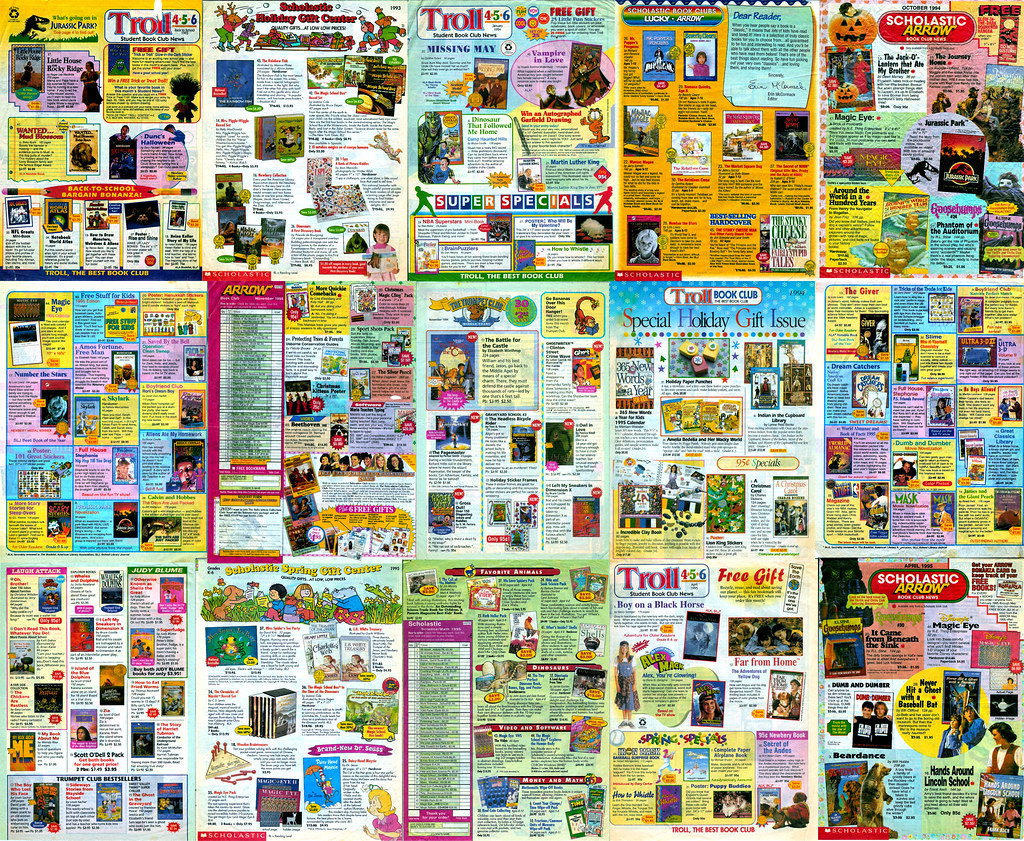
Something else that came out of those flyers – and brought me closer to my beloved cinematic experiences – were movie novelizations. While most of my collection is long gone – given away to second-hand stores or lost in family moves, or just thrown out due to condition – I had The Rocketeer; Gremlins 2: The New Batch; a very “kiddified” Who Framed Roger Rabbit?; and even the R-rated Macaulay Culkin-starrer, The Good Son (which, per the flyer, was intended “for mature readers”).
Those are just the titles I remember – I know I had more.
When I reflect back on the “why” of scooping up novelizations, I arrive at two conclusions: 1) when I liked something, I was desperate to pick up anything associated with it (books, magazines, tie-in toys); and 2) time moved slower when I was a kid…and I was much more impatient as a kid…and back in the day, the average turnaround of a movie from theaters to VHS rentals was six months…so a novelization was a way to keep the movie fresh in my mind and experience it vicariously through imagination until my eyeballs could actually watch it again.
As the years passed and childhood became turbulent adolescence and eventually adulthood, my interest wandered from movie novelizations. In recent years, I’ve read stuff like The Girl with the Dragon Tattoo, Shutter Island, and Gone Girl in preparation for their Hollywood adaptations, but that’s slightly different than digging into something where the film is the source of the book.
All that changed within the last 2 years, and for a rather specific reason: David Gordon Green’s new Halloween trilogy.
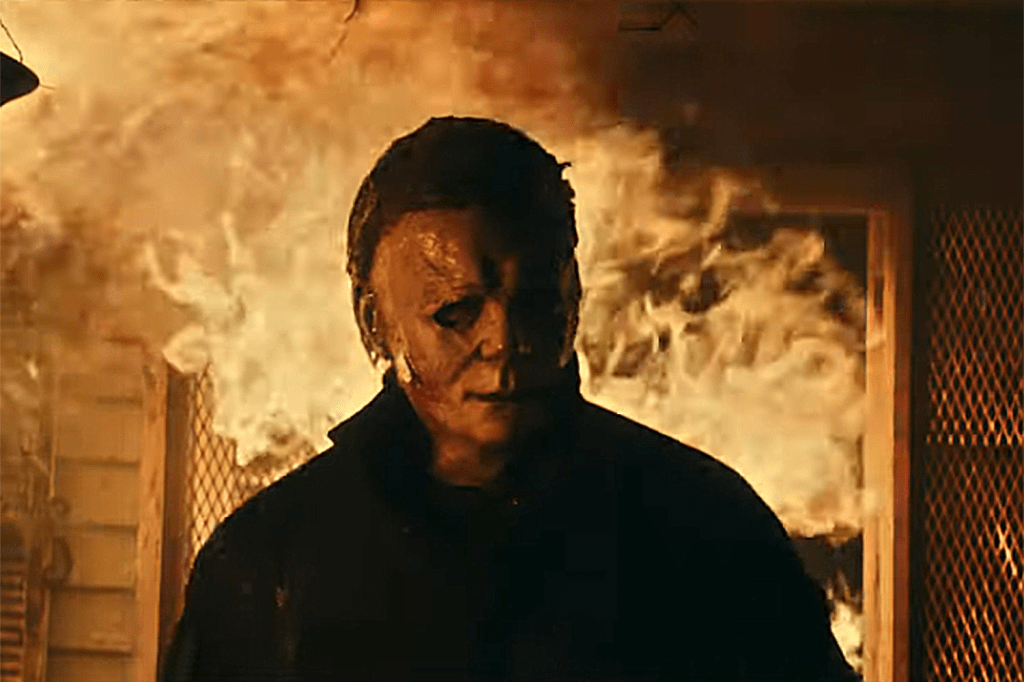
I wasn’t a fan of Green’s 2018 Halloween reboot, finding it very derivative of Carpenter’s 1978 original (of which I’m also not a fan) and lacking in any overly innovative elements. I was blindsided by how much I loved 2021’s Halloween Kills, a ferocious body-count flick strewn with mangled bodies. And I was beguiled by the trilogy’s closing chapter, Halloween Ends, because it so boldly went against fan expectations for a 2-hour rock-’em-sock-’em Boss Battle between Laurie Strode (Jamie Lee Curtis) and Michael Myers (James Jude Courtney).
I’ve rewatched Kills and Ends multiple times, which is saying something – there are movies I own that go years before getting a second spin. There’s something to these films that keeps me coming back to relive the experience all over again.
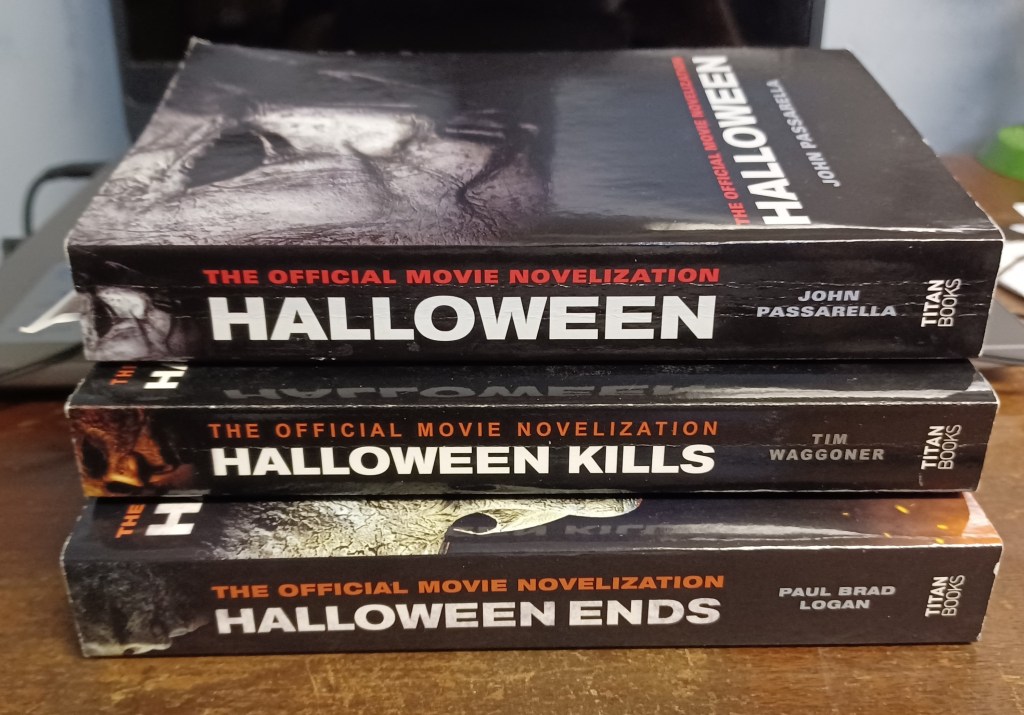
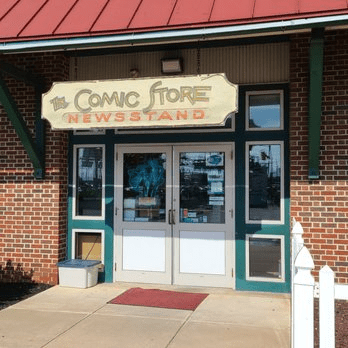
In Lancaster, PA, there’s a fine establishment called The Comic Store, located right across the street from the train station. Sometime last year, I stumbled across a nook of hard-boiled crime and sci-fi novels near the store entrance. Among the book selection was the novelization for Halloween Kills. As I loved the movie and simply wanted more of it, I snatched up the book an consumed it rather quickly.
Earlier this year, a co-worker (and rabid Jamie Lee Curtis fan) loaned me her copy of the Halloween Ends novelization, which I plowed through. Both of these books filled in gaps, added additional emotional and character details, and, in some cases, included sequences that either didn’t make the finalized films, or were simply the authors using their artistic license to embellish things a bit. I appreciated the richness these novelizations provided, unencumbered by studio notes or the need to meet a specific run time or ratings requirement to be commercially viable.
During a more recent trip to The Comic Store, I found the novelization for Ends and the 2018 Halloween on the shelf, and promptly snatched up both. The former adds some character shading and backstory that the film couldn’t address (probably due to time constraints, and also the metaphysical nature of its plot, which asks the viewer to believe that “evil” is psychically transferable). I am currently over halfway through the 2018 novelization, and enjoying it more than the movie proper.
Reading movie novelizations as a kid, I was less interested in any added depth the printed word could bring to the characters and actions, and more about keeping the memories of the movie fresh in my mind while I waited for the inevitable reunion on home video. It was more of a placeholder than a complement to what I’d seen.
Perhaps it’s a testament to Green and his co-writers’ approach to the new Halloween trilogy that there was enough intrigue present to not only justify tie-in novelizations, but that the novelizations themselves would enrich the viewing experience overall. It’s a credit to authors John Passarella (Halloween), Tim Waggoner (Halloween Kills), and Paul Brad Logan (one of the credited co-writers on Halloween Ends) that these books read as legitimate, freestanding works of fiction and complements to the films on which they’re based. When combined, they form an even broader tapestry of this iteration of the Haddonfield Boogeyman Saga.
 Jonny Numb
Leave a comment